

The Key Role of Rubber and Plastic Insulation Boards in the Metallurgical Industry
Release time:2025-11-25
The Key Role of Rubber and Plastic Insulation Boards in the Metallurgical Industry
In the metallurgical industry, temperature management is of paramount importance. Imagine what would happen if the temperature of a smelting furnace were not effectively controlled—not only would product quality be affected, but equipment damage and safety hazards could also arise. Therefore, rubber-plastic insulation boards, as an effective thermal insulation material, are receiving increasing attention from the metallurgical industry. Today, let’s take a closer look at the critical role that rubber-plastic insulation boards play in the metallurgical sector.
What is an elastomeric insulation board?
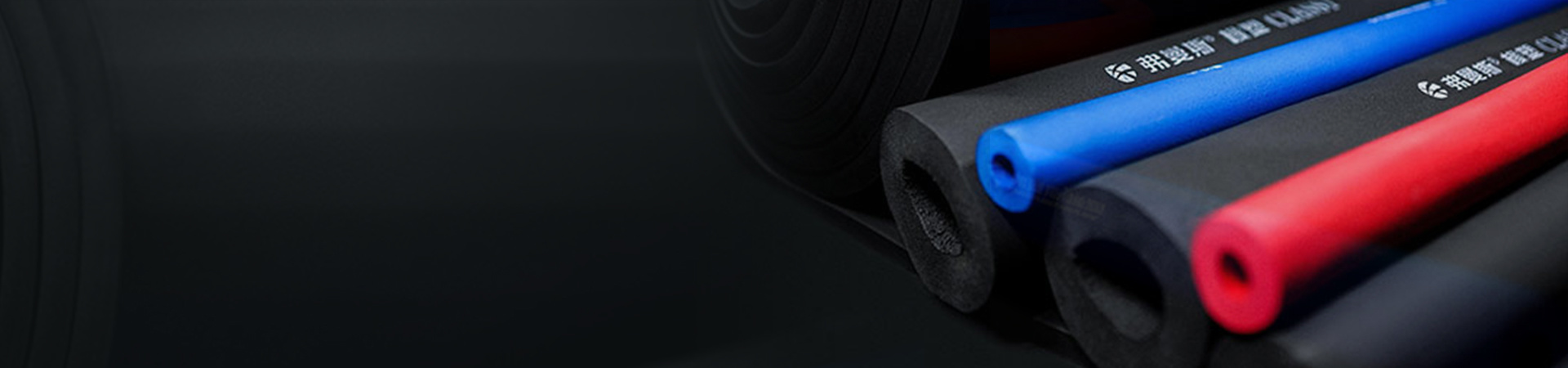
Rubber-plastic insulation boards are thermal insulation materials primarily made from rubber and plastics, boasting excellent thermal insulation performance. They not only effectively prevent heat loss but also resist the effects of external environmental factors. In the metallurgical industry, rubber-plastic insulation boards find extensive applications—from pipelines to equipment—virtually everywhere.
A pioneer in energy conservation and emission reduction
Have you ever wondered how rubber-plastic insulation boards can help the metallurgical industry save energy and reduce emissions? In the metallurgical production process, energy consumption is a cost that cannot be overlooked. Without effective insulation measures, a significant amount of heat would be lost, driving up energy costs. The use of rubber-plastic insulation boards is precisely aimed at efficiently trapping heat, thereby minimizing energy waste. Simply put, using rubber-plastic insulation boards is like putting a “warm coat” on the smelting furnace, enabling it to stay warm even in winter.
Improve production efficiency
In the metallurgical industry, production efficiency directly affects a company’s profitability. Just imagine: If a production line frequently shuts down due to unstable equipment temperatures, wouldn’t the factory workers be utterly frustrated? By using rubber and plastic insulation boards, you can ensure that equipment operates within an optimal temperature range, thereby boosting production efficiency. Just as humans need to maintain a healthy body temperature, equipment also needs to function reliably in a suitable temperature environment.
Safety and Reliability
The operating environment in the metallurgical industry is often quite complex; excessively high or low temperatures can both lead to accidents. The use of rubber and plastic insulation boards not only enhances the temperature stability of equipment but also helps lower surface temperatures, thereby reducing the risk of accidental contact.
Adapt to various environments
The production environment in the metallurgical industry is complex and ever-changing, often presenting a variety of challenges such as high temperatures, corrosion, and humidity. Thanks to their outstanding resistance to high temperatures and corrosion, rubber-plastic insulation boards can easily handle even the harshest conditions. Just imagine: if a material can't adapt to its environment, its practical value would be greatly diminished. The high adaptability of rubber-plastic insulation boards makes them an indispensable “valuable ally” in the metallurgical industry.
Summary
It can be said that rubber-plastic insulation boards play a multifaceted role in the metallurgical industry. From energy conservation and emission reduction to improving production efficiency and ensuring safety, these boards offer immeasurable value. As technology continues to advance and the industry keeps evolving, rubber-plastic insulation boards will continue to carve out an even more prominent position in the metallurgical sector with ever-improved performance.
In the metallurgical industry, temperature management is of paramount importance. Imagine what would happen if the temperature of a smelting furnace were not effectively controlled—not only would product quality be affected, but equipment damage and safety hazards could also arise. Therefore, rubber-plastic insulation boards, as an effective thermal insulation material, are receiving increasing attention from the metallurgical industry. Today, let’s take a closer look at the critical role that rubber-plastic insulation boards play in the metallurgical sector.
What is an elastomeric insulation board?
Rubber-plastic insulation boards are thermal insulation materials primarily made from rubber and plastics, boasting excellent thermal insulation performance. They not only effectively prevent heat loss but also resist the effects of external environmental factors. In the metallurgical industry, rubber-plastic insulation boards find extensive applications—from pipelines to equipment—virtually everywhere.
A pioneer in energy conservation and emission reduction
Have you ever wondered how rubber-plastic insulation boards can help the metallurgical industry save energy and reduce emissions? In the metallurgical production process, energy consumption is a cost that cannot be overlooked. Without effective insulation measures, a significant amount of heat would be lost, driving up energy costs. The use of rubber-plastic insulation boards is precisely aimed at efficiently trapping heat, thereby minimizing energy waste. Simply put, using rubber-plastic insulation boards is like putting a “warm coat” on the smelting furnace, enabling it to stay warm even in winter.
Improve production efficiency
In the metallurgical industry, production efficiency directly affects a company’s profitability. Just imagine: If a production line frequently shuts down due to unstable equipment temperatures, wouldn’t the factory workers be utterly frustrated? By using rubber and plastic insulation boards, you can ensure that equipment operates within an optimal temperature range, thereby boosting production efficiency. Just as humans need to maintain a healthy body temperature, equipment also needs to function reliably in a suitable temperature environment.
Safety and Reliability
The operating environment in the metallurgical industry is often quite complex; excessively high or low temperatures can both lead to accidents. The use of rubber and plastic insulation boards not only enhances the temperature stability of equipment but also helps lower surface temperatures, thereby reducing the risk of accidental contact.
Adapt to various environments
The production environment in the metallurgical industry is complex and ever-changing, often presenting a variety of challenges such as high temperatures, corrosion, and humidity. Thanks to their outstanding resistance to high temperatures and corrosion, rubber-plastic insulation boards can easily handle even the harshest conditions. Just imagine: if a material can't adapt to its environment, its practical value would be greatly diminished. The high adaptability of rubber-plastic insulation boards makes them an indispensable “valuable ally” in the metallurgical industry.
Summary
It can be said that rubber-plastic insulation boards play a multifaceted role in the metallurgical industry. From energy conservation and emission reduction to improving production efficiency and ensuring safety, these boards offer immeasurable value. As technology continues to advance and the industry keeps evolving, rubber-plastic insulation boards will continue to carve out an even more prominent position in the metallurgical sector with ever-improved performance.
Rubber and plastic insulation board
Previous Page
Previous Page
Related News
Contact Information
Service hotline:
+86 713-520 2222
Address: Ecological Science Park, Yongjiahe Town, Hong'an County, Huanggang City, Hubei Province
Focus on us
