

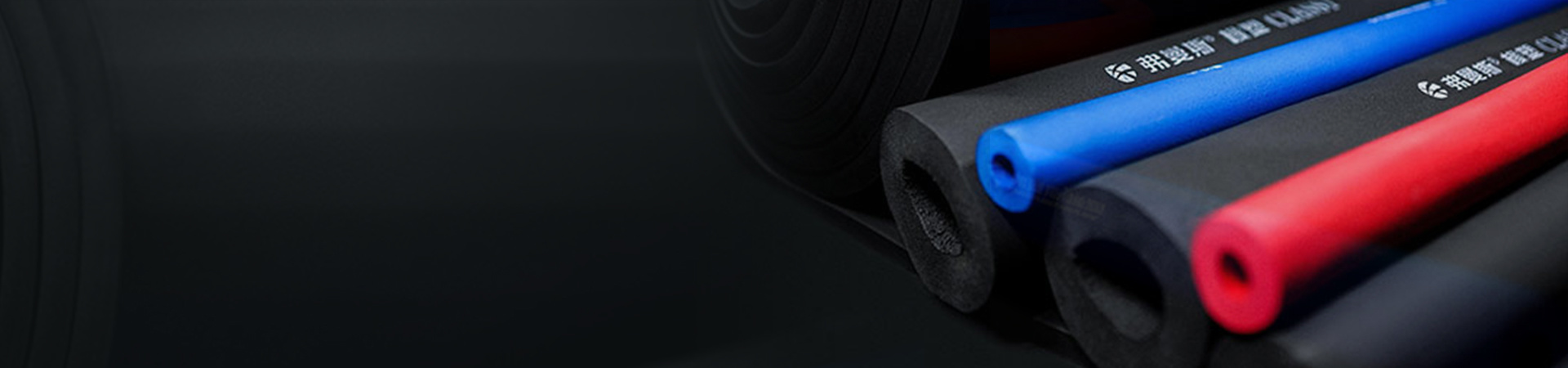
Guidelines for Using Rubber and Plastic Thermal Insulation Materials: Precautions and Tips
Release time:2025-11-17
What is elastomeric insulation material?
Rubber-plastic insulation materials, as the name suggests, are insulation materials whose primary components are rubber and plastic. They not only offer excellent thermal insulation performance but also boast superior waterproof properties and resistance to aging. Whether in the construction industry or in industrial equipment, rubber-plastic insulation materials play an indispensable role.
Precautions for Using Rubber and Plastic Thermal Insulation Materials
When selecting and using rubber and plastic insulation materials, we absolutely can't afford to be careless! Here are some key points to keep in mind:
1. Material thickness
First, the thickness of the material is one of the key factors affecting its thermal insulation performance. Generally speaking, the greater the thickness, the better the insulation effect. However, excessively thick materials may cause installation difficulties; therefore, it’s important to make a reasonable selection based on the specific circumstances.
2. Temperature range
Rubber and plastic insulation materials also have their own applicable temperature ranges. In high-temperature environments, certain types of rubber and plastic materials may deform or lose their insulating effectiveness. Therefore, when making a purchase, be sure to check the material’s temperature tolerance range to avoid ending up at a disadvantage!
3. Waterproof performance
Although rubber and plastic materials themselves possess certain waterproof properties, in specific environments—particularly in humid or rainy regions—additional waterproofing treatment is still essential. Only then can we ensure long-term durability and prevent all previous efforts from being wasted.
How to Properly Install Rubber and Plastic Thermal Insulation Materials
The installation process is equally important—mastering a few simple tips can double your results with half the effort!
1. Pre-treat the surface
Before installation, make sure the surface to be installed is dry and clean. Any dirt or moisture could compromise the adhesive’s bonding strength, leaving you with wasted effort.
2. Select the appropriate adhesive.
Using a specialized adhesive can enhance the bonding strength of insulation materials, ensuring they continue to perform reliably even in extreme environments. Remember to check the manufacturer’s recommended type of adhesive—don’t choose one at random!
3. Regular inspection and maintenance
Don’t let your guard down once the installation is complete! Regularly check the condition of the insulation material and promptly address any issues that may arise to ensure excellent thermal performance.
Summary
In short, using elastomeric insulation materials is not a simple task. Only by mastering the above-mentioned precautions and helpful tips can you truly harness their advantages. We hope this article will help you make informed decisions when selecting and using elastomeric insulation materials!
Rubber and plastic insulation materials
Related News
Contact Information
Service hotline:
+86 713-520 2222
Address: Ecological Science Park, Yongjiahe Town, Hong'an County, Huanggang City, Hubei Province
Focus on us
