

FAQ on Common Issues with Rubber and Plastic Thermal Insulation Materials
Release time:2025-11-22
Advantages of rubber and plastic insulation materials
In modern architecture and industry, Rubber and plastic insulation materials It stands out thanks to its outstanding performance. Not only does it effectively reduce heat loss, but it also boasts excellent sound insulation. As a result, an increasing number of construction projects are beginning to adopt this material.
What is elastomeric insulation material?
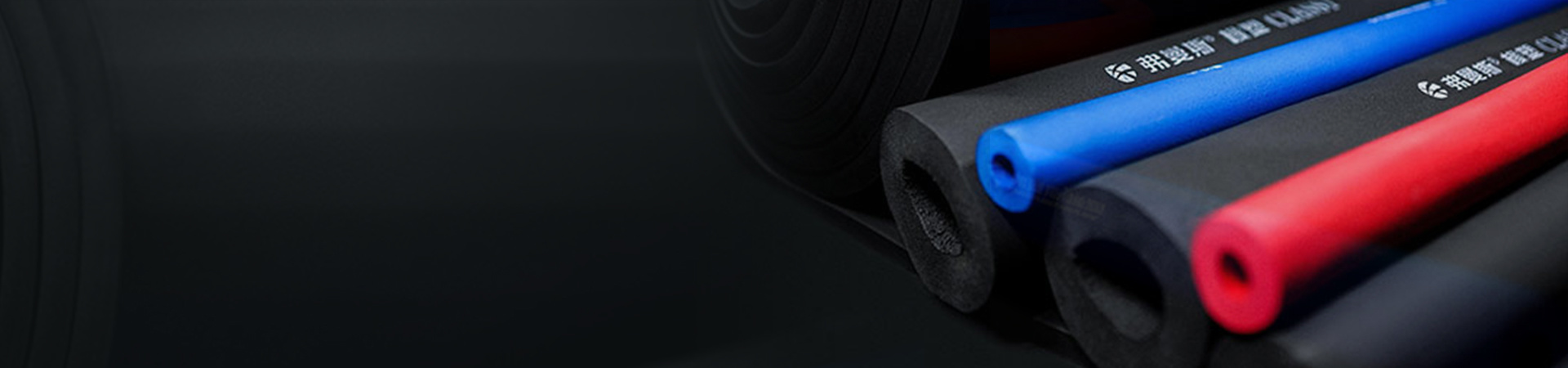
Simply put, rubber-plastic insulation material is a high-quality thermal insulation material made by blending rubber and plastic. Its flexibility and durability make it an ideal choice for equipment such as pipelines, air conditioners, and cold storage facilities. It can truly be called the “invisible guardian” of the construction industry!
FAQ
Q1: What is the thermal conductivity of rubber and plastic insulation materials?
A: Generally, the thermal conductivity of rubber and plastic insulation materials ranges from 0.03 to 0.04 W/(m·K), though the exact value may vary depending on the brand and thickness. This means it can effectively prevent heat loss and help save energy costs.
Q2: In which scenarios is rubber and plastic insulation material suitable?
A: This material is widely used in exterior walls of buildings, roofs, pipelines, air conditioners, and even refrigeration equipment. In short, wherever thermal insulation is needed, you’ll find this material!
Q3: How long is the service life of rubber and plastic insulation materials?
A: Typically, high-quality elastomeric insulation materials can last for over 25 years. However, this lifespan is closely tied to factors such as environmental conditions and installation quality. Therefore, it’s really important to choose the right materials and work with a professional installation team!
Q4: How do I clean and maintain rubber and plastic insulation materials?
A: For rubber and plastic insulation materials, regular inspection and cleaning are essential. Generally, simply wiping with a damp cloth is sufficient; avoid using highly corrosive cleaners to prevent damage to the material's surface.
Closing remarks
Overall, Rubber and plastic insulation materials Thanks to its excellent performance and wide range of applications, it has become an indispensable part of modern architecture and industry. If you have any other questions about this type of material, feel free to consult a professional at any time!
Rubber and plastic insulation materials
Related News
Contact Information
Service hotline:
+86 713-520 2222
Address: Ecological Science Park, Yongjiahe Town, Hong'an County, Huanggang City, Hubei Province
Focus on us
