

10

2025

/

11

Exploring the Production Process and Application Fields of Rubber and Plastic Insulation Boards

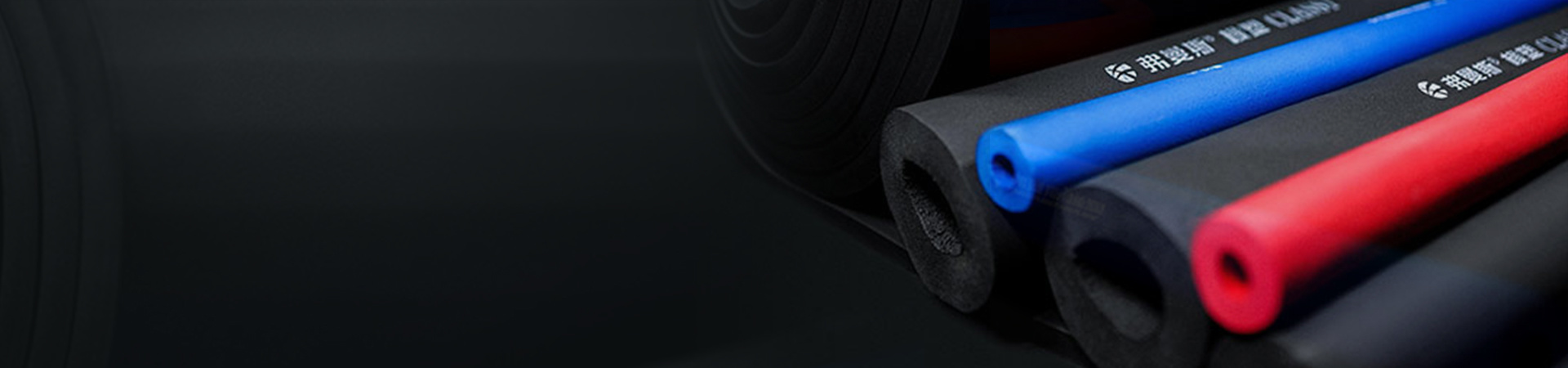
Let’s explore the production process and application areas of rubber-plastic insulation boards. In modern architecture and industrial engineering, the selection of insulation materials is critically important. Today, we’re going to talk about a material that’s gaining widespread popularity—rubber-plastic insulation boards. You may have heard of them already, but do you really know much about their production process and application fields? The production process of rubber-plastic insulation boards isn’t a simple one. Its core raw materials consist mainly of rubber and plastic, which are manufactured through a specific set of processes. Think of making rubber-plastic insulation boards as baking a cake: only by choosing the right ingredients and mastering the right techniques can you achieve a delicious result. 1. Raw Material Preparation: The production of rubber-plastic insulation boards begins with selecting the right raw materials. Commonly used materials include synthetic rubber, polyurethane, and polyvinyl chloride. The choice of these materials directly affects the quality of the insulation boards. 2. Mixing and Foaming: Next, the selected raw materials are mixed according to a precise ratio and then subjected to a foaming process. This step is akin to mixing flour and eggs together—after being heated, the materials expand, forming a structure with excellent thermal insulation properties. 3. Molding: After foaming, the material is cut into various thicknesses and sizes to meet different application requirements. This step is similar to cutting a cake into different shapes.

View Details
< 1234...16 >