

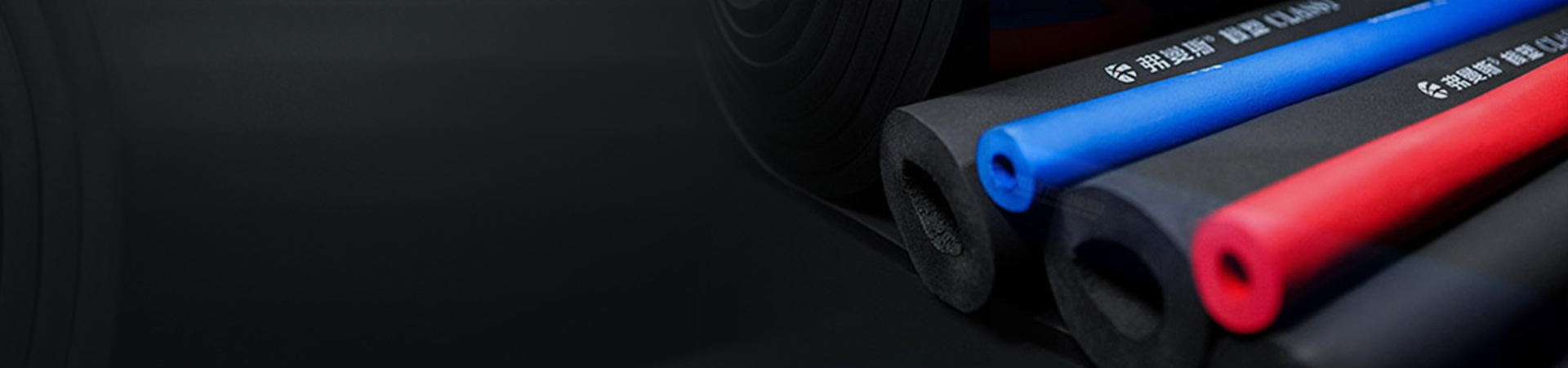
Exploring the Production Process and Application Fields of Rubber and Plastic Insulation Boards
Release time:2025-11-10
Exploring the Production Process and Application Fields of Rubber and Plastic Insulation Boards
In modern architectural and industrial engineering, the selection of insulation materials is crucial. Today, let’s talk about a highly favored material—rubber-plastic insulation boards. You may have already heard of them, but do you really understand their manufacturing processes and application areas?
Production process of rubber and plastic insulation boards
First, the production of rubber-plastic insulation boards is not a simple process. Its core raw materials consist primarily of rubber and plastic, which are manufactured through a specific set of processing procedures. Think of making rubber-plastic insulation boards as baking a cake—only by selecting the right ingredients and employing the proper techniques can you achieve a delicious result.
1. Raw Material Preparation: The production of rubber-plastic insulation boards begins with the selection of raw materials. Commonly used raw materials include synthetic rubber, polyurethane, and polyvinyl chloride. The choice of these materials directly affects the quality of the insulation boards.
2. Mixing and Foaming: Next, the selected raw materials are mixed according to a specific ratio and then subjected to a foaming process. This process is akin to whisking together flour and eggs—after being heated, the materials expand, forming a structure with excellent thermal insulation properties.
3. Shaping: The foamed material is cut into various thicknesses and sizes to meet different application requirements. This step is somewhat similar to cutting a cake into different shapes, making it easier for subsequent decoration and use.
4. Curing and Inspection: Next, the rubber-plastic insulation boards need to undergo curing to ensure the stability of their shape and properties. During this process, the products must also undergo rigorous quality inspections to ensure that each rubber-plastic insulation board can perform its intended function effectively.
Application areas of rubber and plastic insulation boards
Rubber-plastic insulation boards have a wide range of applications, covering nearly every industry. You might be wondering: Where exactly are rubber-plastic insulation boards used? Let me reveal it to you.
1. Construction Industry: In the construction sector, rubber-plastic insulation boards are widely used in areas with high thermal insulation requirements, such as roofs, walls, and pipelines. By using these boards, not only can energy consumption be effectively reduced, but also living comfort can be significantly enhanced. Just imagine: a well-insulated home where it’s no longer cold in winter and no longer hot in summer—what a wonderful feeling that is!
2. Industrial Equipment: In industries such as chemical processing, food production, and pharmaceuticals, rubber-plastic insulation boards are used for thermal insulation to ensure that equipment operates at optimal temperatures. For example, when transporting hot water or oil products, these boards can effectively reduce heat loss and conserve energy. It’s just like putting a “warm coat” on your equipment, helping them maintain peak performance during operation.
3. Cold-chain logistics: In cold-chain transportation, rubber and plastic insulation boards also play a vital role. They help maintain low-temperature environments, ensuring the safety of fresh food and pharmaceuticals. It’s as if they add a “protective shield” to refrigerated trucks, shielding them from the influence of external temperatures during transport.
Summary and Outlook
Thanks to their excellent thermal insulation performance and wide range of applications, rubber-plastic insulation boards have become indispensable materials in modern construction and industry. Whether in building construction, industrial settings, or cold-chain logistics, these boards—with their unique advantages—continue to provide crucial support for the development of various industries.
In the future, as technology continues to advance, the production processes for rubber-plastic insulation boards will also keep innovating, and their application fields will become even broader. If you're considering choosing the right insulation material, why not take a closer look at rubber-plastic insulation boards? I’m sure they’ll surprise you in ways you never expected.
Rubber and plastic insulation board
Related News
Contact Information
Service hotline:
+86 713-520 2222
Address: Ecological Science Park, Yongjiahe Town, Hong'an County, Huanggang City, Hubei Province
Focus on us

Hubei Ovis