

A Deep Dive into the Working Principles and Applications of Rubber and Plastic Thermal Insulation Materials
Release time:2025-11-11
Introduction to Rubber and Plastic Thermal Insulation Materials
In modern architecture and industry, the selection of insulation materials is of paramount importance. As a new type of thermal insulation material, rubber-plastic insulation has been attracting increasing attention due to its excellent performance and wide range of applications. It not only effectively prevents heat loss but also reduces energy consumption and enhances the operational efficiency of equipment.
Working principle: A barrier to heat conduction
So, how exactly does rubber-plastic insulation material work? Simply put, its principle of operation relies primarily on reducing thermal conduction. When there’s a temperature difference, heat will always flow from the higher-temperature region to the lower-temperature region, resulting in energy loss. The molecular structure design of rubber-plastic insulation material enables it to effectively block this heat transfer process. The bubble structure inside the material forms an excellent thermal insulation layer, significantly reducing the amount of heat that can pass through.
Unique physical properties
The appeal of elastomeric insulation materials also lies in their numerous unique physical properties. First, they have a relatively low density, which means they’re not only lightweight but also easy to install. Second, these materials exhibit excellent water resistance and corrosion resistance, allowing them to maintain outstanding performance even in humid environments. Moreover, the elasticity and flexibility of elastomeric insulation materials enable them to easily conform to pipes and equipment of various shapes, greatly enhancing the convenience of installation.
Wide range of application fields
Thanks to their outstanding performance, rubber and plastic insulation materials are widely used in a variety of fields. For instance, in the construction industry, they are extensively employed for thermal insulation of walls, roofs, and pipelines. In the industrial sector—particularly in the petroleum, chemical, and refrigeration industries—rubber and plastic insulation materials have become indispensable equipment. It’s safe to say that rubber and plastic insulation materials are ubiquitous and have become an integral part of modern life.
Future Development Trends
With growing environmental awareness and technological advancements, the future prospects for elastomeric and plastic insulation materials are promising. Researchers are continuously improving the performance of these materials to make them more environmentally friendly and green, while also enhancing their thermal insulation effectiveness. In the future, we may see more innovative elastomeric and plastic insulation materials entering the market, further accelerating the process of energy conservation and emission reduction.
Conclusion
Overall, rubber and plastic insulation materials, with their unique working principles and excellent physical properties, have become indispensable and essential materials in modern construction and industry. We hope that through the introduction in this article, everyone will gain a deeper understanding of these materials, enabling them to fully harness their advantages in practical applications.
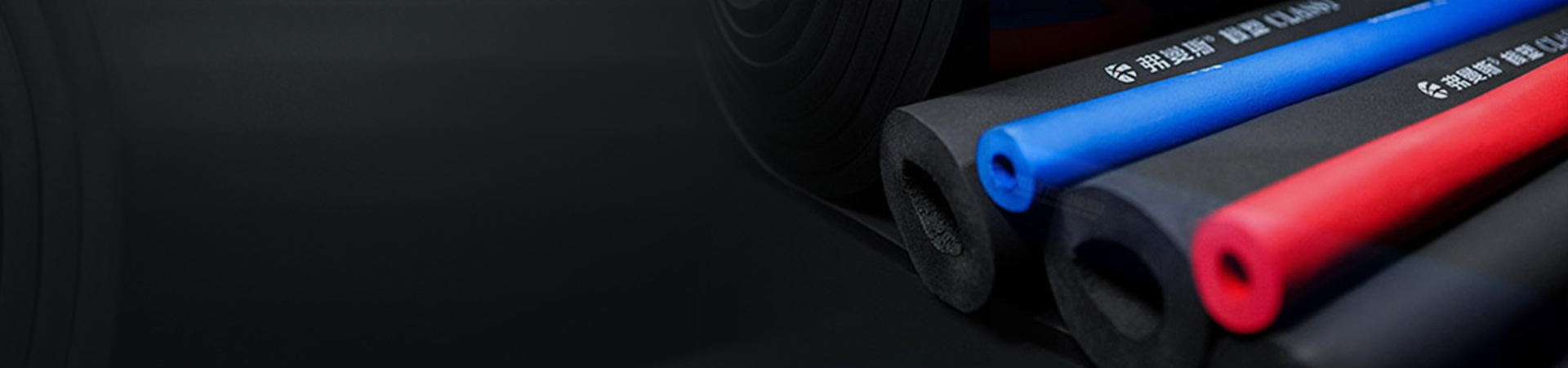
Rubber and plastic insulation materials
Related News
Contact Information
Service hotline:
+86 713-520 2222
Address: Ecological Science Park, Yongjiahe Town, Hong'an County, Huanggang City, Hubei Province
Focus on us
