

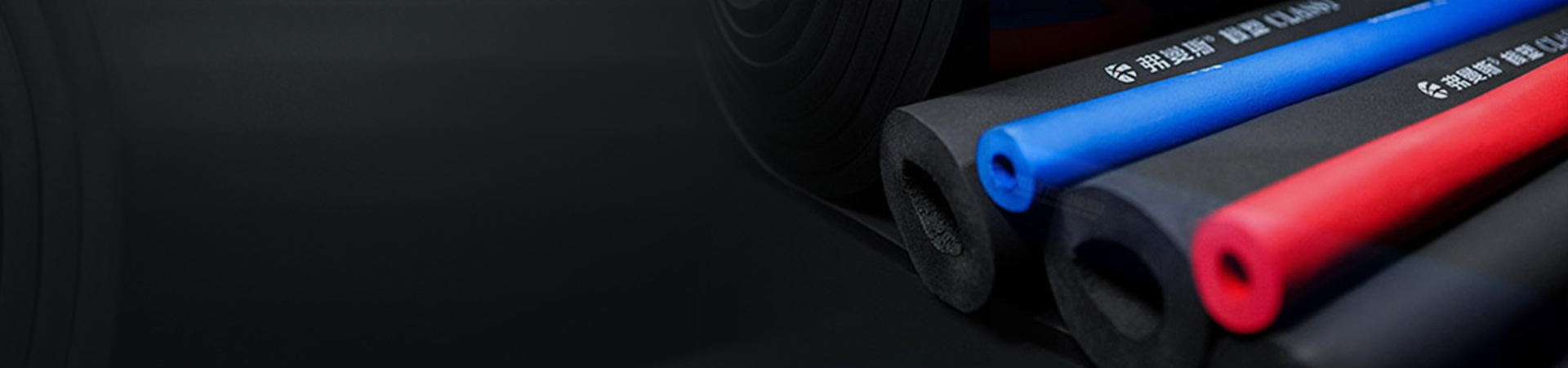
Revealing the energy-saving effects and environmental protection characteristics of rubber-plastic insulation boards.
Release time:2025-10-11
Revealing the energy-saving effects and environmental protection characteristics of rubber-plastic insulation boards.
In today’s era, which emphasizes energy conservation and environmental protection, rubber-plastic insulation materials have attracted considerable attention due to their unique properties. Have you ever wondered why more and more buildings, vehicles, and various industrial equipment are adopting this material? Today, let’s talk about the energy-saving benefits and eco-friendly characteristics of rubber-plastic insulation boards.
Basic Introduction to Rubber and Plastic Thermal Insulation Materials
Rubber-plastic insulation material, as its name suggests, is an insulation material whose primary components are rubber and plastic. Its structure boasts excellent elasticity and durability, enabling it to effectively prevent heat loss. Just imagine: without such a material, our homes could easily turn into “refrigerators” or “ovens.” It’s precisely this kind of “heroic” material—rubber-plastic insulation—that keeps such scenarios from becoming a reality.
Specific manifestations of energy-saving effects
In terms of energy conservation, rubber and plastic insulation materials truly shine. Their thermal conductivity is relatively low—typically ranging from 0.020 to 0.050 W/(m·K)—which means they can effectively prevent heat transfer. In winter, rubber and plastic insulation boards help keep indoor spaces warm, reducing heating energy consumption; in summer, they block external heat from entering, keeping interiors cool.
You might ask: Just how much energy can this type of material actually help us save? According to some studies, buildings using rubber-plastic insulation materials can reduce energy consumption by 30% to 50% compared to those built with traditional materials. This is a figure that should not be underestimated—especially in today’s context of soaring energy prices, where it can translate into significant savings for households or businesses.
How to help reduce carbon emissions
In addition to energy savings, rubber and plastic insulation materials also make a significant contribution to environmental protection. Using these materials can substantially reduce carbon emissions from buildings. One study shows that the construction industry is one of the major sources of global greenhouse gas emissions, and by using highly efficient insulation materials, this proportion can be effectively reduced.
Imagine: If every household could choose rubber-plastic insulation materials, how much would the city’s carbon emissions be reduced? This is an exciting idea. In fact, using rubber-plastic insulation materials isn’t just about saving energy for yourself—it’s also a way to contribute to protecting our planet.
Environmental characteristics of rubber and plastic insulation materials
Environmental friendliness is another major highlight of rubber-plastic insulation materials. First, their production process is relatively green and can effectively reduce emissions of harmful substances. Moreover, rubber-plastic insulation materials exhibit excellent corrosion resistance and aging resistance, with a service life of over 30 years. This means we can reduce the frequency of material replacement, thereby lowering resource consumption.
Moreover, rubber-plastic insulation materials also exhibit excellent recyclability after use. Compared to some other types of insulation materials, rubber-plastic insulation materials can be reprocessed and recycled once they are decommissioned, further reducing their environmental impact. It’s akin to “lightening the load” on our planet, ensuring that future generations can also enjoy a better living environment.
Summary
Overall, elastomeric insulation materials not only excel in energy-saving performance but also play a crucial role in the field of environmental protection. Whether viewed from an economic or ecological perspective, elastomeric insulation boards are a worthwhile option to promote. Want to reduce energy consumption, cut carbon emissions, and at the same time contribute to environmental protection? Then hurry up and consider using elastomeric insulation materials!
Rubber and plastic insulation materials
Related News
Contact Information
Service hotline:
+86 713-520 2222
Address: Ecological Science Park, Yongjiahe Town, Hong'an County, Huanggang City, Hubei Province
Focus on us

Hubei Ovis