

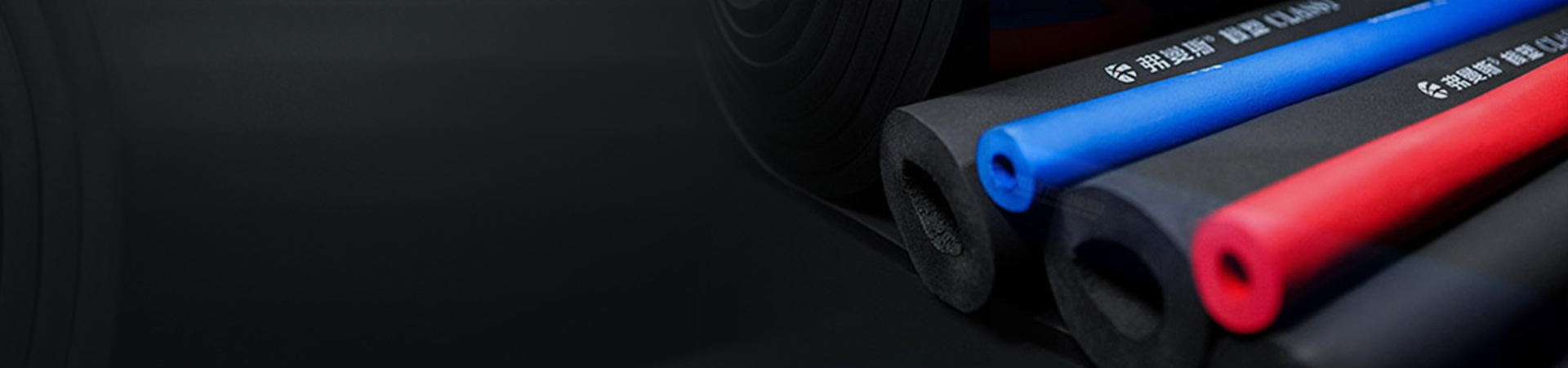
Energy conservation and emission reduction start with choosing rubber and plastic insulation boards.
Release time:2025-10-26
Energy conservation and emission reduction start with choosing rubber and plastic insulation boards.
In modern society, energy conservation and emission reduction have become the responsibility of each and every one of us. As global greenhouse gas emissions continue to rise, the impacts of climate change are becoming increasingly evident. Therefore, finding effective ways to take action in our daily lives has emerged as a crucial issue. In the construction sector, selecting appropriate insulation materials—especially rubber-plastic insulation boards—is an aspect that cannot be overlooked.
What is an elastomeric insulation board?
First, let’s take a look at what rubber-plastic insulation boards are. Simply put, rubber-plastic insulation boards are thermal insulation materials whose main components are rubber and plastic. They’re characterized by excellent thermal insulation performance and water resistance, making them widely used in fields such as construction, refrigeration, and air conditioning. Just imagine: if you use this material to insulate your home during the cold winter, it’s like putting a thick down jacket on your house—both warm and incredibly comfortable!
The Necessity of Energy Conservation and Emission Reduction
So, why is energy conservation and emission reduction so important? First of all, global warming is no longer a distant issue—it’s a reality right here around us. Extreme weather events, melting glaciers, rising sea levels—these are all reminding us that action is urgently needed! As one of the major sectors responsible for energy consumption, buildings can significantly reduce energy use and emissions by adopting effective thermal insulation measures.
Advantages of rubber and plastic insulation boards
1. Excellent thermal insulation performance
Rubber-plastic insulation boards boast exceptional thermal insulation performance, effectively reducing heat loss. Just as a thermos keeps your hot drink warmer for longer, choosing rubber-plastic insulation boards helps maintain a stable indoor temperature in buildings, thereby reducing energy consumption for air conditioning and heating.
2. Waterproof performance
This is very important! Rubber and plastic insulation boards have excellent waterproof performance and can effectively prevent moisture from penetrating. It’s like giving your house a “waterproof shield”—not only does it enhance thermal insulation, but it also extends the service life of building materials.
3. Eco-friendly materials
Rubber and plastic insulation boards also have environmentally friendly characteristics and cause minimal environmental impact during the manufacturing process. Choosing this material is like easing the burden on our planet, helping us achieve more sustainable development.
How to choose rubber-plastic insulation boards?
When you decide to choose rubber-plastic insulation boards, what aspects should you pay attention to? First, consider the thickness and density. Generally speaking, the thicker and denser a rubber-plastic insulation board is, the better its thermal insulation performance will be. At the same time, you should also pay attention to the material’s compressive strength and temperature resistance, as these factors are crucial for long-term performance and safety.
Moreover, choosing products from well-known brands is also very important. Although the price may be slightly higher, the quality and after-sales service are guaranteed, making you feel more confident when using them.
Conclusion
In this era of pursuing energy conservation and emission reduction, choosing the right materials has become particularly important. Thanks to their outstanding thermal insulation performance, waterproof properties, and eco-friendly characteristics, rubber-plastic insulation boards have emerged as an ideal choice for energy conservation and emission reduction. Just imagine: by selecting such a material, we can not only create a comfortable living environment for our homes but also contribute our part to protecting the planet.
So why not start by choosing rubber-plastic insulation boards and take the first step toward energy conservation and emission reduction?
Rubber and plastic insulation board
Related News
Contact Information
Service hotline:
+86 713-520 2222
Address: Ecological Science Park, Yongjiahe Town, Hong'an County, Huanggang City, Hubei Province
Focus on us

Hubei Ovis