

Advantages of Using Rubber and Plastic Thermal Insulation Materials in Central Air Conditioning Systems
Release time:2025-10-01
Advantages of Using Rubber and Plastic Thermal Insulation Materials in Central Air Conditioning Systems
What is elastomeric insulation material?
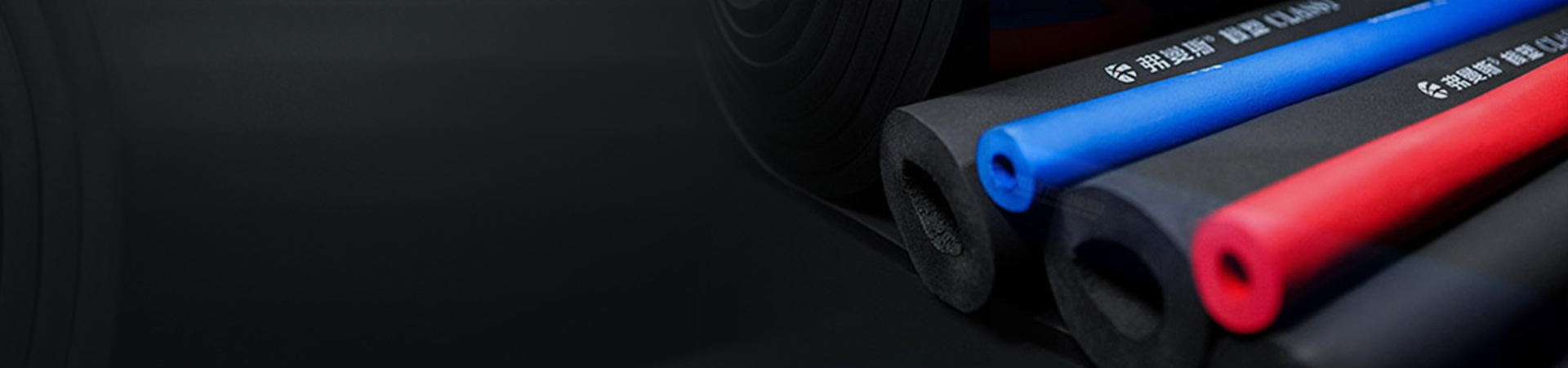
As the name suggests, elastomeric insulation material is a composite material made from rubber and plastic, widely used in various thermal insulation projects. Thanks to its excellent thermal insulation performance and moisture resistance, it plays an indispensable role in central air-conditioning systems. So, why is elastomeric insulation material so highly favored in central air-conditioning systems? Next, we’ll delve into the answer.
Excellent thermal insulation performance
First of all, the thermal insulation performance of rubber-plastic insulation materials is truly outstanding. Just imagine: if you turn on your air conditioner on a scorching summer day only to find that the cool air keeps “escaping,” how frustrating that would be! Rubber-plastic insulation materials effectively prevent heat transfer, ensuring that the cold air remains stable within the pipes and minimizing energy waste. With proper design and application, these materials not only enhance the cooling efficiency of air conditioners but also allow you to enjoy a more comfortable indoor environment.
Strong moisture resistance
Second, rubber-plastic insulation materials boast outstanding moisture-proof performance. A humid environment not only affects the operational efficiency of central air-conditioning systems but can also lead to the growth of harmful substances such as mold inside pipes—and even damage the equipment itself. Thanks to their moisture-proof properties, rubber-plastic insulation materials can effectively safeguard the stability of air-conditioning systems and extend their service life. Just imagine: without moisture protection, an air-conditioning system would be like a small boat sailing through a storm—prone to capsizing at any moment!
Easy to install, cost-effective
Moreover, the installation process of rubber-plastic insulation materials is relatively simple. Compared with traditional insulation materials, their lightweight nature allows construction workers to carry out installation and maintenance more easily. This not only shortens construction time but also reduces labor costs. Think about it: if the construction process were shrouded in thick fog, rubber-plastic insulation materials would be like a beacon, guiding you through even the most complex environments.
Environmental Protection and Safety
Environmental protection is also a major advantage of rubber and plastic insulation materials. Their production process is relatively environmentally friendly, and during use, they do not release any harmful substances—thus meeting society’s high standards for environmental sustainability. It’s just like a gentle and refined gentleman: he neither disturbs others nor fails to bring a touch of harmony to the surrounding environment.
Conclusion
In summary, rubber and plastic insulation materials, with their outstanding thermal insulation performance, moisture-resistant properties, convenient installation process, and environmentally friendly and safe advantages, have become an indispensable component in central air-conditioning systems. In future buildings and facilities, we can look forward to seeing even wider applications of rubber and plastic insulation materials. Let’s join forces to embrace a more comfortable and energy-efficient lifestyle!
Now, do you also have a deeper understanding of the advantages of using rubber and plastic insulation materials in central air-conditioning systems? Come on—choose this advanced material for your construction project today!
Rubber and plastic thermal insulation materials
Related News
Contact Information
Service hotline:
+86 713-520 2222
Address: Ecological Science Park, Yongjiahe Town, Hong'an County, Huanggang City, Hubei Province
Focus on us

Hubei Ovis