

How to choose the right rubber and plastic insulation material?
Release time:2025-09-21
How to choose the right rubber and plastic insulation material?
In the fields of modern architecture and industry, the application of rubber-plastic insulation materials is becoming increasingly widespread. Choosing the right rubber-plastic insulation material not only effectively reduces energy consumption but also enhances the operational efficiency of the entire system. However, faced with the wide variety of rubber-plastic insulation materials available on the market, how can we make the most suitable choice? Today, let’s talk about this very topic.
Definition and Characteristics of Rubber and Plastic Thermal Insulation Materials
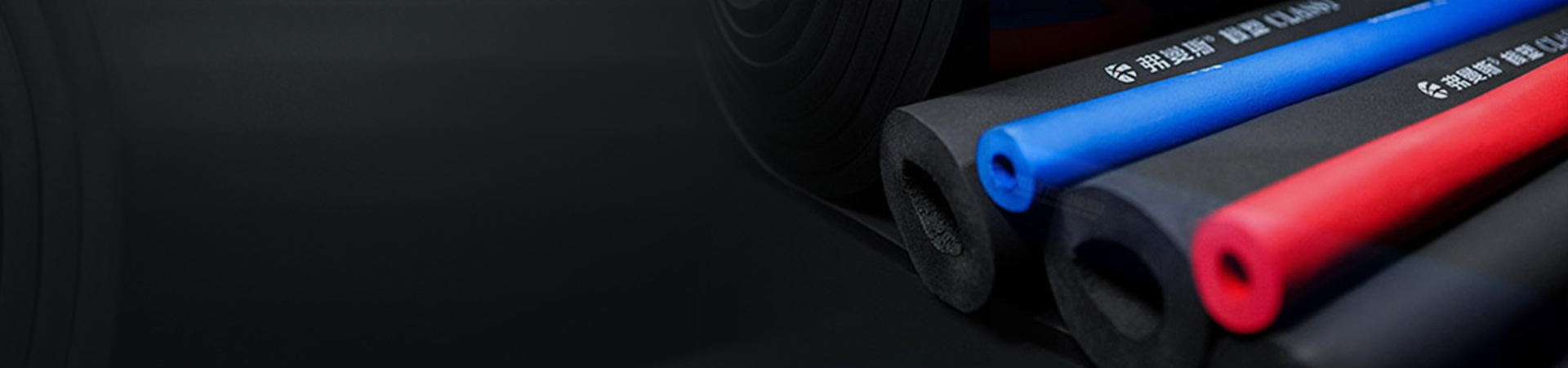
First, let’s take a look at what rubber-plastic insulation materials are. Simply put, rubber-plastic insulation materials are made from synthetic rubber and plastics, and they boast excellent thermal insulation, sound absorption, and waterproof properties. Their key characteristics include being lightweight, flexible, durable, and easy to use.
You might ask: Why choose elastomeric insulation material over other materials? In fact, this type of material offers remarkably effective thermal insulation, efficiently resisting heat conduction and condensation. Moreover, compared to traditional insulation materials, elastomeric insulation boasts superior moisture resistance—making it less prone to dampness and mold—and has a longer service life as well.
Several Key Factors for Selecting Rubber and Plastic Thermal Insulation Materials
So, when choosing suitable rubber and plastic insulation materials, what factors do we need to consider?
1. Application environment
First, it’s crucial to understand your application environment. For example, if you’re using the material in a humid environment, choosing an elastomeric insulation with excellent moisture resistance becomes particularly important. Conversely, if the environment is dry, a standard elastomeric insulation may suffice.
2. Temperature range
Secondly, the temperature range is also a critical factor. Different rubber and plastic insulation materials are suitable for different temperature ranges. If your application environment experiences significant temperature fluctuations, you must choose materials that can withstand both high and low temperatures. For example, some rubber and plastic insulation materials may lose their insulating performance at high temperatures—certainly not what we want.
3. Thickness and Density
Moreover, the thickness and density of the material also need to be taken into account. Generally speaking, the greater the thickness, the better the insulation effect—but at the same time, this will also increase costs and take up more space. Therefore, selecting an appropriate thickness and density is an art of achieving balance.
4. Fire Performance
One point that cannot be overlooked is fire resistance. In certain specific fields—such as construction and chemical industries—fire resistance is of paramount importance. Choosing rubber and plastic insulation materials with excellent fire-resistant properties can, to a certain extent, enhance overall safety.
5. Cost considerations
Of course, you’ll also need to consider the cost. While high-quality elastomeric insulation materials aren’t cheap, that doesn’t mean you have to choose the most expensive option. You should strike a balance based on your budget and actual needs to find materials that offer the best value for money.
Installation and Maintenance of Rubber and Plastic Thermal Insulation Materials
After selecting the appropriate elastomeric insulation material, installation and maintenance are equally important. The installation of elastomeric insulation materials is relatively straightforward—typically requiring only simple adhesion or wrapping—but to ensure optimal thermal performance, it’s recommended that installation be carried out by professionals.
In terms of maintenance, it is also essential to regularly inspect the condition of rubber and plastic insulation materials. If any damage or water leakage is detected, promptly repair or replace the affected areas to ensure their performance.
Summary
Overall, choosing the right rubber and plastic insulation material is not a simple task. We need to take into account multiple factors comprehensively, including the application environment, temperature range, material thickness, fire resistance, and cost. Only then can we ensure that our project is both energy-efficient and safe.
Choosing rubber and plastic insulation materials is, in essence, investing in your environment. Just imagine: selecting the right materials is like installing a highly efficient filter in your home’s air conditioner—saving energy while ensuring comfort. We hope this article will help you feel more confident and capable when making future choices.
Rubber and plastic thermal insulation materials
Related News
Contact Information
Service hotline:
+86 713-520 2222
Address: Ecological Science Park, Yongjiahe Town, Hong'an County, Huanggang City, Hubei Province
Focus on us

Hubei Ovis