

Rubber and Plastic Insulation Pipe Manufacturing Technology
Release time:2023-03-21
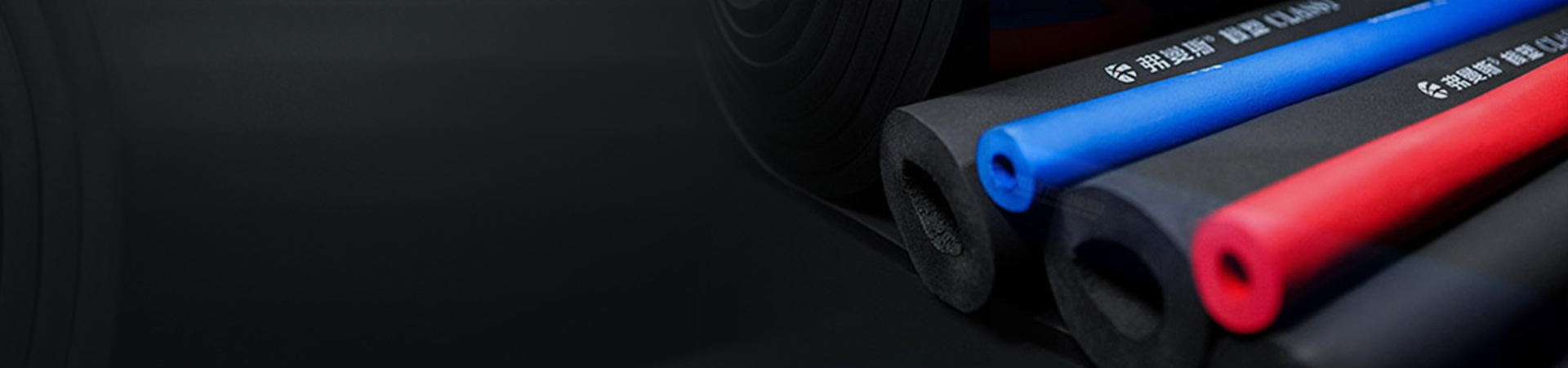
Both sides of the rubber-plastic insulation pipe are made from flexible materials or other types of materials, and they undergo specialized manufacturing and processing. The resulting shape exhibits a sandwich structure. Therefore, when viewed from either side, the entire rubber-plastic insulation pipe has been processed using a special technique, ensuring seamless connections between the insulation layers. Meanwhile, the core of the rubber-plastic insulation pipe—located in the middle—is manufactured using more advanced blending techniques or other textile processes. The foam cells in the B1-grade rubber-plastic boards are extremely fine and have a fairly uniform density, which gives them exceptional thermal insulation performance. Even under these conditions, we can be assured of even greater reliability.
In actual use, rubber-plastic insulation pipes are already subjected to certain conditions. Therefore, during the manufacturing process, we must adhere strictly to the prescribed proportions. These pipes are produced on specialized production lines that enable one-step molding and shaping, ensuring that the rubber-plastic insulation pipes exhibit excellent thermal insulation performance when in use. They are particularly well-suited for effective application in the thermal insulation systems of exterior wall constructions. The entire exterior wall insulation system, combined with other plastering systems, is especially appropriate for use in both urban and rural areas, thereby facilitating more effective renovation of construction projects. Moreover, rubber-plastic insulation pipes themselves possess inherent thermal insulation properties. They can withstand impacts from water or hail quite effectively, and they also help reduce noise generated by air conditioners and rubber-plastic pipes. Additionally, these pipes offer a range of waterproof and anti-rust features.
Previous Page
Related News
Contact Information
Service hotline:
+86 713-520 2222
Address: Ecological Science Park, Yongjiahe Town, Hong'an County, Huanggang City, Hubei Province
Focus on us
