

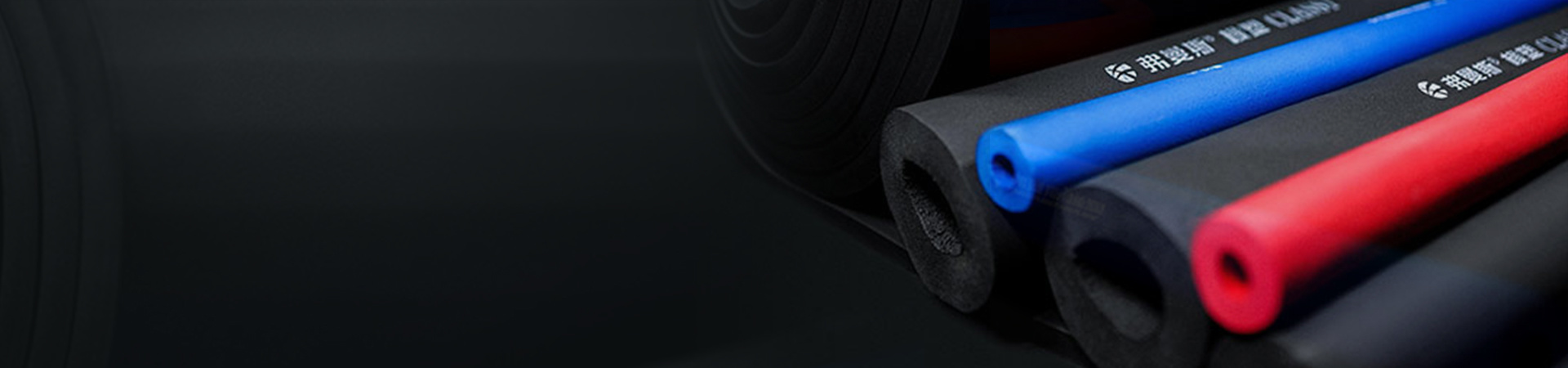
Precautions for Selecting Rubber and Plastic Insulation Boards
Release time:2024-04-02
Rubber-plastic insulation boards are increasingly being widely used in various aspects of daily life. When selecting rubber-plastic insulation boards, you can choose the type that best suits your specific needs and intended use. So, what are the key considerations when purchasing rubber-plastic insulation boards?
I. Inspect the appearance quality of rubber-plastic insulation boards. First, examine the color of the rubber-plastic board: The natural-color rubber-plastic board has a golden-yellow hue and is uniformly transparent throughout. Carbonized rubber-plastic boards are bronze or brown in color, with a uniform color and a glossy finish. They have medium hardness and exhibit excellent resistance to acids and alkalis. They can operate continuously in 20% acid (or alkaline) solutions at temperatures ranging from -30°C to +60°C. Applications: These boards can be used to manufacture gaskets with excellent sealing performance that meet requirements for acid and alkali resistance.
II. Inspect the paint quality of the rubber and plastic insulation boards. Place the boards in well-lit areas and examine their surfaces for bubbles, pinholes, or orange-peel textures. Also, check whether the paint finish is thick, full, and smooth. For example, some medium-pressure boards are coated with a purple layer and sold as high-pressure boards. Therefore, when purchasing, in addition to checking the visual quality, it’s sufficient to focus primarily on testing the tensile strength. Take three samples, each measuring 200mm × 20mm, from the transverse direction of the board, and test them using a tensile testing machine to determine whether the boards have been substituted with inferior products or if substandard materials have been used.
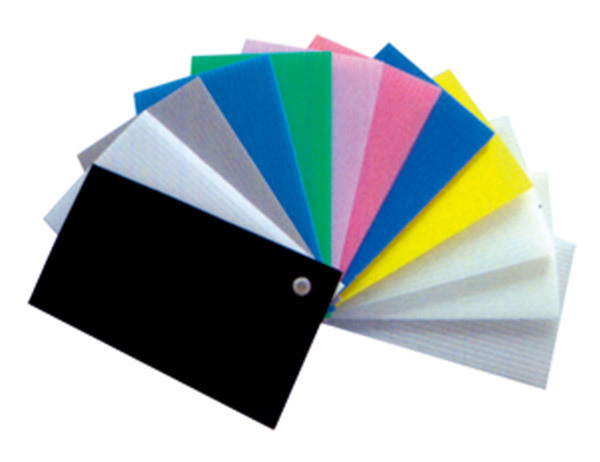
3. To assess the intrinsic quality of rubber-plastic insulation boards, start by examining the material—first by holding it in your hand and then by visually inspecting it. If the board feels light when held, it indicates that tender bamboo was used. If the wood grain appears blurry and indistinct upon visual inspection, it suggests that the bamboo is not fresh and is rather old. Nitrile rubber boasts excellent resistance to fuels, aromatic solvents, and other similar substances; however, it is not resistant to ketones, esters, or chlorinated hydrocarbons. Therefore, nitrile rubber is predominantly used in oil-resistant sealing products.
4. To determine whether the structure of the rubber-plastic board is symmetrical and balanced, examine the cross-sections at both ends of the board to see if they conform to the principle of symmetry and balance. If they do, the structure is stable.
V. To check whether the layers of rubber-plastic insulation boards produced by the manufacturer are tightly bonded together, use both hands to gently pull on them and see if any delamination occurs. Silicone rubber exhibits outstanding resistance to high and low temperatures, ozone, and weather aging. Within a working temperature range of -70℃ to 260℃, it retains its unique elasticity as well as excellent ozone resistance and weathering resistance. It is ideally suited for manufacturing sealing gaskets required in thermal systems, such as sealing rings for strong-light lamp shades and valve gaskets.
Rubber and plastic insulation materials play an important role in our daily lives. Insulation materials have always been indispensable in our everyday routines and continue to play a vital part in our lives. For example, colored rubber-plastic insulation boards are a particularly popular type of insulation material, and today, this material enjoys very strong sales across the entire materials market. Of course, a high-quality insulation material is widely welcomed precisely because it boasts outstanding performance—its overall quality is truly excellent.
Related News
Contact Information
Service hotline:
+86 713-520 2222
Address: Ecological Science Park, Yongjiahe Town, Hong'an County, Huanggang City, Hubei Province
Focus on us
