

26

2025

/

10

Energy conservation and emission reduction start with choosing rubber and plastic insulation boards.

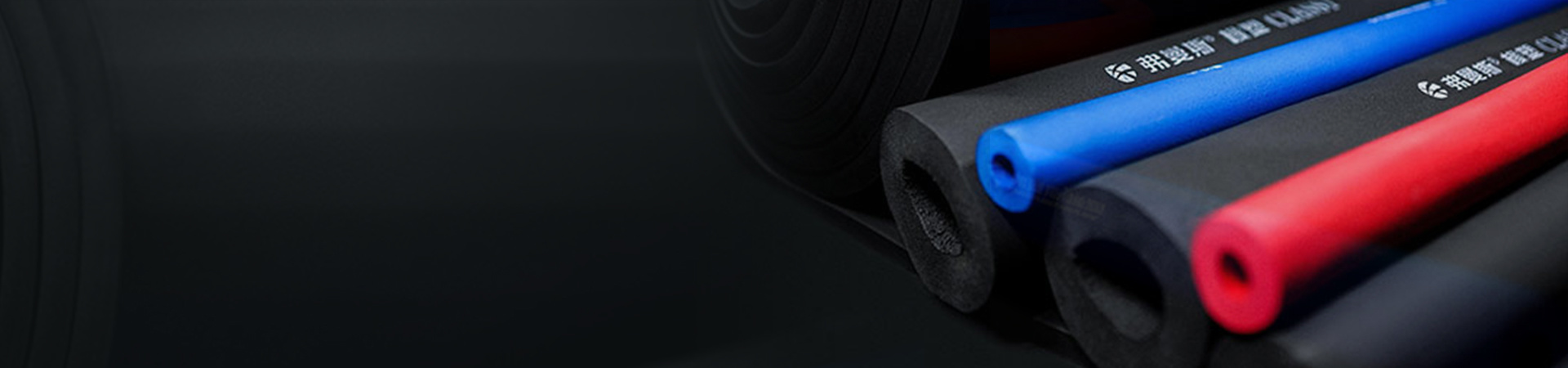
Energy conservation and emission reduction start with choosing rubber-plastic insulation boards. In today’s society, energy conservation and emission reduction have become the responsibility of each and every one of us. As global greenhouse gas emissions continue to rise, the impacts of climate change are becoming increasingly evident. Therefore, finding effective ways to reduce energy consumption and emissions in our daily lives has become a critical issue. In the construction sector, selecting the right insulation materials—especially rubber-plastic insulation boards—is an aspect that cannot be overlooked. So, what exactly are rubber-plastic insulation boards? First, let’s take a closer look at what they are. Simply put, rubber-plastic insulation boards are insulation materials whose primary components are rubber and plastic. They are characterized by excellent thermal insulation performance and water resistance, making them widely used in fields such as building construction, refrigeration, and air conditioning. Just imagine: if you use this material to insulate your home during the cold winter months, it’s like putting a thick down jacket on your house—both warm and incredibly comfortable! The necessity of energy conservation and emission reduction So why is energy conservation and emission reduction so crucial? First of all, global warming is no longer a distant issue—it’s very real and happening all around us. Extreme weather events, melting glaciers, rising sea levels... these are all vivid reminders that action is urgently needed! And since buildings are one of the major sectors responsible for energy consumption, adopting effective insulation measures is essential.

View Details

11

2025

/

10

Revealing the energy-saving effects and environmental protection characteristics of rubber-plastic insulation boards.

Revealing the Energy-Saving and Eco-Friendly Features of Rubber-Plastic Insulation Boards In today’s era, which emphasizes energy conservation and environmental protection, rubber-plastic insulation materials have attracted considerable attention due to their unique properties. Have you ever wondered why more and more buildings, transportation vehicles, and various industrial equipment are adopting this material? Today, let’s talk about the energy-saving benefits and eco-friendly characteristics of rubber-plastic insulation boards. A Basic Introduction to Rubber-Plastic Insulation Materials As the name suggests, rubber-plastic insulation materials are insulation products whose primary components are rubber and plastic. Their structure boasts excellent elasticity and durability, enabling them to effectively prevent heat loss. Imagine if such materials didn’t exist—our homes could easily turn into “refrigerators” or “ovens.” It’s precisely these rubber-plastic insulation materials that serve as the “hero” by eliminating such possibilities. The Specific Energy-Saving Benefits When it comes to energy savings, the performance of rubber-plastic insulation materials is truly remarkable. They have a relatively low thermal conductivity, typically ranging from 0.020 to 0.050 W/(m·K). This means they can effectively inhibit heat transfer. In winter, rubber-plastic insulation boards help keep indoor spaces warm, reducing heating energy consumption; in summer, they block external heat from seeping in, keeping interiors cool. You might ask: How exactly can such materials benefit us?

View Details

01

2025

/

10

Advantages of Using Rubber and Plastic Thermal Insulation Materials in Central Air Conditioning Systems

The Application Advantages of Rubber-Plastic Insulation Materials in Central Air Conditioning Systems: What Exactly Are Rubber-Plastic Insulation Materials? As the name suggests, rubber-plastic insulation materials are composite materials made from a combination of rubber and plastic, widely used in various thermal insulation projects. Thanks to their excellent thermal insulation performance and moisture resistance, they play an indispensable role in central air conditioning systems. So, why are rubber-plastic insulation materials so highly favored in central air conditioning systems? Let’s find out next. Outstanding Thermal Insulation Performance First, the thermal insulation performance of rubber-plastic insulation materials is truly top-notch. Imagine this: On a scorching summer day, you turn on your air conditioner only to find that the cool air keeps “escaping”—how frustrating that would be! Rubber-plastic insulation materials effectively prevent heat transfer, ensuring that the cold air remains stable within the ducts and minimizing energy waste. With proper design and application, these materials not only enhance the cooling efficiency of air conditioners but also allow you to enjoy a more comfortable indoor environment. Strong Moisture Resistance Next, rubber-plastic insulation materials boast exceptional moisture resistance. A humid environment not only affects the operational efficiency of central air conditioning systems but can also lead to the growth of mold and other harmful substances inside the ducts, potentially damaging the equipment itself. The moisture-resistant properties of rubber-plastic insulation materials effectively safeguard the stability of air conditioning systems and extend their service life. Just imagine...

View Details
< 1234...20 >